Signs of A Blown Head Gasket
Any time you have engine issues, it can be scary. You’re not sure if this is something that is going to be a few hundred dollars or in the thousands. You can often distinguish a head-gasket problem from a major internal-engine failure by looking for a combination of symptoms and then confirming them with tests.
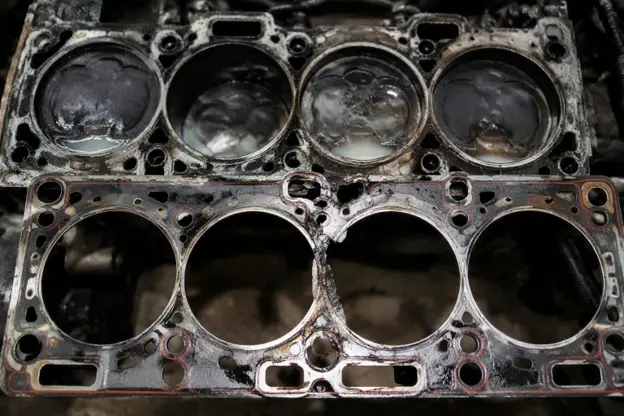
Signs of a blown head gasket
Common warning signs include:
- Overheating, especially repeatedly or very quickly.
- Coolant disappearing without an obvious external leak.
- White exhaust smoke/steam after the engine is fully warmed up.
- Milky or chocolate-colored oil under the oil cap or on the dipstick. (This isn't definitive because condensation can cause similar sludge.)
- Bubbles in the coolant reservoir while the engine is running.
- Rough startup or misfiring, particularly after the car sits overnight.
- Loss of coolant pressure or coolant being pushed out of the reservoir.
- Sweet-smelling exhaust from coolant entering the cylinders.
Signs the engine may need a major rebuild/replacement
More serious indicators include:
- Knocking or banging from inside the engine.
- Very low oil pressure.
- Metal particles in the engine oil.
- Severe loss of compression in multiple cylinders.
- An engine that won't turn over or is seized.
- Significant piston, cylinder-wall, crankshaft, or bearing damage.
- Severe damage caused by running without oil or coolant.
- Persistent heavy smoke combined with substantial oil consumption.
The best way to know
A mechanic can perform several tests:
- Compression test — checks cylinder compression.
- Leak-down test — helps identify whether compression is escaping through the valves, piston rings, or head gasket.
- Cooling-system pressure test — looks for coolant leaks.
- Combustion-gas/block test — checks whether exhaust gases are getting into the coolant.
- Borescope inspection — looks inside the cylinders for damage.
- Oil inspection — checks for coolant or metal contamination.
Do You Need a New Engine?
A head-gasket failure doesn't automatically mean you need a new engine. If the block and cylinder head are still usable, the head gasket can often be replaced. A rebuild or replacement becomes more appropriate when the overheating has caused major internal damage.
Does It Make Sense to Sell Your Vehicle?
If it does make sense for you to sell or trade in your vehicle, Cash for Cars may be a good option to check. No calls. No haggling. No dealing with multiple buyers. Sell your car entirely online, from getting your offer to completing the sale.


