Junk vs Sell: Best Option for an Uninsured Totaled Car
When a car is totaled and uninsured, you're responsible for recovering whatever value remains from the vehicle. The best choice often comes down to maximizing the money you receive versus minimizing the effort required. You can get a free quote from Cash for Cars, with no obligation to help you decide if selling your vehicle is the best option for you and what your car may be worth without having to try to sell or trade it in yourself.
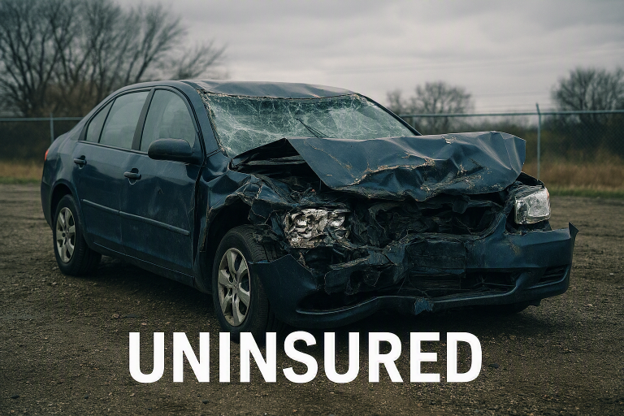
Option 1: Sell the Car
A totaled car still has value because many parts may be reusable even if the vehicle itself isn't worth repairing.
Who Might Buy It?
- Cash for Cars
- Vehicle recyclers
- Mechanics and repair shops
- Private buyers looking for parts
- Companies that specialize in damaged vehicles
Advantages
- Usually generates more money than scrapping.
- The buyer may handle towing.
- Valuable components can significantly increase the offer.
Disadvantages
- You may need to contact multiple buyers.
- Finding the highest-paying buyer can take time.
- Some buyers may negotiate aggressively or make low offers.
Typical Situations Where Selling Makes Sense
For example, if a 2018 sedan with front-end damage is declared a total loss, the engine, transmission, electronics, wheels, and interior may still be worth thousands of dollars to a salvage buyer. Even though the insurance company would consider it totaled, a buyer may still pay substantially more than scrap value.
Option 2: Junk the Car
Junking means selling it primarily for scrap metal and recyclable materials.
Advantages
- Fast and simple.
- Little paperwork beyond transferring ownership.
- Often includes free towing.
Disadvantages
- Usually lower payout.
- The buyer may not care about valuable parts that could have increased the vehicle's value elsewhere.
Typical Situations Where Junking Makes Sense
If the vehicle is:
- 20+ years old
- High mileage
- Severe collision damage
- Flood damaged
- Missing major components
Then scrap value may be close to what a salvage buyer would offer anyway.
A Third Option: Parting It Out Yourself
This can produce the highest return, but it requires the most work.
For example, instead of selling the entire car for $500–$1,000, you might sell:
- Wheels and tires
- Stereo system
- Seats
- Catalytic converter
- Engine components
- Body panels
Advantages
- Highest potential profit.
Disadvantages
- Requires storage space.
- Takes time to remove and list parts.
- May take months to sell everything.
- You'll still need to dispose of the remaining shell.
For most people, this option isn't worth the effort unless the vehicle has particularly valuable components.
Questions to Ask Before Deciding
1. Do You Have the Title?
A clear title generally makes selling easier and increases the vehicle's value but with Cash for Cars, you don't necessarily need a title. We can typically find some of those records if you cannot find them.
2. What Is the Damage?
A car with:
- Frame damage
- Major flood damage
- Fire damage
Typically commands lower offers than one with cosmetic or localized collision damage selling private or to a dealership.
3. What Is the Vehicle Worth in Parts?
A newer vehicle can have substantial salvage value even when totaled because of the higher cost of those parts.
4. How Quickly Do You Need It Gone?
If speed matters, a junkyard may be the best choice even if the payout is lower but Cash for Cars can give you speed and typically a better price.
General Rule
If the vehicle is relatively modern and still contains valuable components, getting a quote from Cash for Cars is a great first step in your process. This can be the difference between hundreds or even thousands of dollars just by starting with us and understanding a baseline of what your vehicle is worth.


