Most Common Exhaust Repairs
The exhaust system reduces engine noise, directs harmful gases away from the cabin, and helps control emissions. As the car ages, more miles are put on the vehicle or wear and tear occurs, some exhaust problems become fairly common. In some instances, this can be a simple fix with relatively inexpensive repairs. In some instances, this can become a little more costly and may makes sense to sell the vehicle, rather than try to repair it. Cash for Cars can give you an estimate on what your vehicle is worth today, without any repairs, helping you make a decision on whether it’s worth repairing or may be easier to sell the vehicle.
Here are the most frequent exhaust repairs:
1. Exhaust Leaks
- Symptoms : Loud engine noise, ticking or hissing sounds, exhaust smell inside or around the car, reduced fuel economy.
- Common Causes : Rust, cracked pipes, failed gaskets, or loose connections.
- Why It Matters : Leaks can allow harmful gases, including carbon monoxide, to enter the passenger compartment.
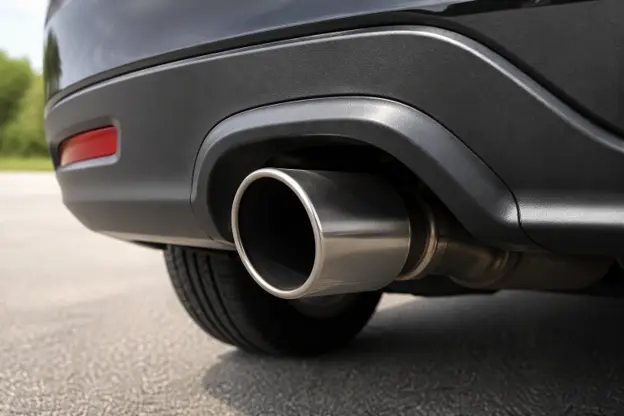
2. Rust and Corrosion
- Symptoms : Visible holes, rattling, louder exhaust.
- Common Causes : Moisture, road salt, and age.
- Most Affected Parts : Muffler, pipes, and resonator.
3. Failing Muffler
- Symptoms : Much louder exhaust, rattling noises, vibration.
- Common Causes : Internal corrosion or impact damage.
- Why It Matters : The muffler primarily reduces noise but can also affect exhaust flow if damaged.
4. Clogged Catalytic Converter
- Symptoms : Poor acceleration, loss of power, overheating, reduced fuel economy, check engine light.
- Common Causes : Engine misfires, oil burning, coolant leaks, or simply high mileage.
- Why It Matters : A clogged converter restricts exhaust flow and can damage engine performance.
5. Faulty Oxygen (O2) Sensors
- Symptoms : Check engine light, poor fuel economy, rough running, failed emissions test.
- Common Causes : Age, contamination, or wiring issues.
- Why It Matters : These sensors help the engine computer maintain the proper air-fuel mixture.
6. Broken Exhaust Hangers or Mounts
- Symptoms : Rattling, clunking, exhaust pipe hanging low.
- Common Causes : Corrosion, worn rubber mounts, or impact with road debris.
- Why It Matters : A sagging exhaust can be damaged further or drag on the road.
7. Cracked Exhaust Manifold
- Symptoms : Loud ticking when the engine is cold, exhaust smell, reduced performance.
- Common Causes : Repeated heating and cooling cycles, stress, or manufacturing defects.
- Why It Matters : Since the manifold is closest to the engine, leaks here can affect engine efficiency and emissions.
8. Damaged Flex Pipe
- Symptoms : Louder exhaust, vibration, exhaust leak under the vehicle.
- Common Causes : Wear, corrosion, or excessive engine movement.
- Why It Matters : The flex pipe absorbs engine movement and helps prevent cracks elsewhere.
Warning Signs to Watch For
- Check engine light
- Louder-than-normal exhaust
- Rattling or buzzing underneath the vehicle
- Exhaust fumes or unusual smells
- Reduced fuel economy
- Loss of engine power
- Failed emissions inspection
Can You Keep Driving?
- Usually okay for a short time: Minor rattles from a loose heat shield or hanger, though they should still be repaired.
- Should be inspected promptly: Exhaust leaks, a loud exhaust that suddenly appears, or a check engine light related to emissions.
- Stop driving if possible: If you smell exhaust inside the cabin or suspect carbon monoxide is entering the vehicle. Drive with the windows open only if necessary to get to a safe location or repair facility.
Should You Sell?
When exhaust repairs pile up for an older vehicle, it may make sense to sell your vehicle. Rather than go through endless potential spam companies or private party games, Cash for Cars can give you an offer within about 30 seconds and pick your vehicle up within about 24 hours, at no charge to you. So if you’re interested in a no obligation quote for your vehicle, we’d love to get you a baseline for what your vehicle is worth.


