What To Do With a Totaled Car Without Insurance in California
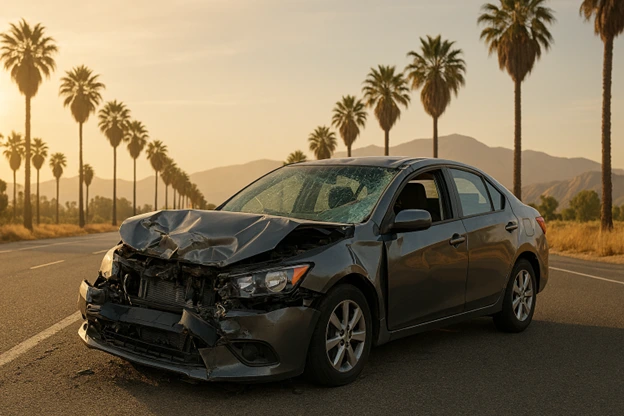
In California, handling a "totaled" car without insurance means the responsibility for reporting and disposal shifts entirely to you. Since there is no insurance company to declare it a "total loss," the state effectively treats you as a self-insurer. Here is the step-by-step breakdown of how to handle this legally and financially.
1. Notify the DMV (Crucial Deadlines)
If the accident caused more than $1,000 in property damage or any injury, California law requires you to report it.
- Form SR-1: You must file a Report of Traffic Accident Occurring in California (SR-1) within 10 days. Failure to do this can lead to a license suspension, regardless of who was at fault.
- Salvage Certificate: Since no insurer is doing this for you, you must apply for a Salvage Certificate (Form REG 488C) within 10 days of deciding the car is a total loss. This officially changes the title status.
2. Immediate Costs: Storage and Towing
If your car is currently at a tow yard, act fast. Storage fees in California can exceed $100 per day.
- Move the car: If you can’t fix it, have it towed to your property (if local ordinances allow) or directly to a dismantler to stop the "bleeding" of storage fees.
- PNO Status: If the car is going to sit for a while, file for Planned Non-Operational (PNO) status with the DMV. This costs about $23 and exempts you from full registration fees and insurance requirements while the car is off the road.
3. Your Disposal Options
Since you don’t have an insurance payout coming, you need to recoup whatever value is left in the metal or parts.
| Option | Best For... | What to Know |
|---|---|---|
| Sell to a Junk/Salvage Yard | Quick cash and removal. | They usually pay by weight or for specific high-value parts (catalytic converters, engines). They often provide free towing. |
| Online Damaged-Car Buyers | Getting multiple quotes. | Companies like Cash for Cars buy totaled cars and handle the paperwork. |
| Parting it Out | Maximum profit (if you have tools). | You sell individual components (doors, seats, electronics) yourself. It takes months and requires space to store a skeleton of a car. |
| Donation | Tax write-offs. | Charities often take totaled cars, but since you have no insurance, ensure they provide the DMV Release of Liability. |
4. Finalizing the Paperwork
Once you sell or junk the car, you must protect yourself from future liability (like the car being abandoned or used in a crime).
- Notice of Transfer and Release of Liability (NRL): Complete this online or via Form REG 138 within 5 days of the sale. This is the most important document to ensure you aren't billed for future tickets or registration.
- Remove the License Plates: In California, you typically leave the plates on the car unless they are personalized, but if you are "junking" the vehicle yourself at a scrapyard, you may be required to surrender them to the DMV.
5. If You Still Owe Money
If the car is financed, you are still responsible for the loan.
- No Payout: Unlike insured drivers who get a check for the car's value to pay off the lender, you must continue making monthly payments.
- Contact the Lender: Be honest with them. They may require the remaining balance immediately since their collateral (the car) is destroyed, but you might be able to negotiate a personal loan to cover the gap.


